REGULATORY
Cultivated Meat Faces a State by State Test
As states craft their own rules, cultivated meat firms face a patchwork of labels, bans, and new hurdles to national expansion
12 Feb 2026
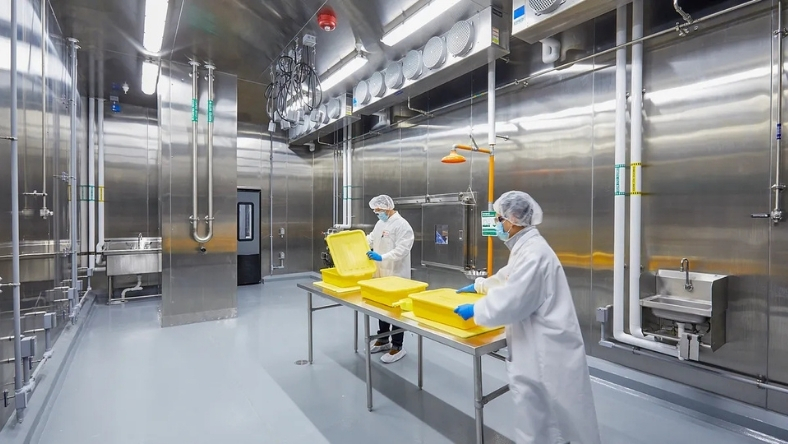
The race to put cultivated meat on American plates is speeding up. So are the rules that decide how it gets there.
After clearing federal safety reviews, trailblazers like Upside Foods, Eat Just, and Wildtype are discovering that approval is just the first hurdle. Across the country, states are drafting their own labeling laws. Some have gone further, passing bans or broader restrictions that reach beyond packaging language.
What is emerging is a patchwork rulebook. It is reshaping how these products are branded, shipped, and scaled.
At the federal level, the system is split. The Food and Drug Administration reviews safety, while the US Department of Agriculture oversees inspection and labeling for cultivated meat and poultry. That framework opened the door to early commercial launches. Yet formal regulations are still evolving, leaving room for states to define their own terms and disclosure requirements.
For companies, that means recalibration. A label that works in one state may need revisions in another. Distribution networks must be tightly managed to avoid shipping into jurisdictions with tougher limits. Expansion plans are now mapped as much by regulatory geography as by consumer demand.
Wildtype’s cultivated seafood highlights another twist. Seafood falls under FDA oversight alone, but state rules still shape how products are described and marketed. The closer these products move toward mainstream retail, the more political scrutiny they attract.
Investors are paying attention. Clear and consistent rules can determine where factories rise and capital flows. States seen as innovation friendly may draw new facilities and jobs. Others risk pushing investment elsewhere.
Supporters of state measures say they protect consumers and traditional farmers. Critics argue that a maze of standards could fracture interstate commerce and slow progress.
One thing is clear. Cultivated protein is no longer theoretical. It is a commercial reality navigating the growing pains of a new industry. As companies learn to operate within a shifting legal landscape, they are proving that innovation is not just about how meat is made, but how it reaches the table.
Latest News
6 Mar 2026
The Dairy-Free Protein That Outperforms Real Whey4 Mar 2026
Inside Europe’s New Testbed for Alt Protein Production2 Mar 2026
Vivici Bets on “Pink Gold” Made Without Cows25 Feb 2026
Can Algorithms Outpace the Lab in Drug Discovery?
Related News
INNOVATION
6 Mar 2026
The Dairy-Free Protein That Outperforms Real Whey

TECHNOLOGY
4 Mar 2026
Inside Europe’s New Testbed for Alt Protein Production
INSIGHTS
2 Mar 2026
Vivici Bets on “Pink Gold” Made Without Cows
SUBSCRIBE FOR UPDATES
By submitting, you agree to receive email communications from the event organizers, including upcoming promotions and discounted tickets, news, and access to related events.