RESEARCH
From Beans to Bowls: USDA Redefines Pasta's Future
New research links bean protein levels to better texture, offering a nutritious, cost-effective wheat alternative
7 Jul 2025
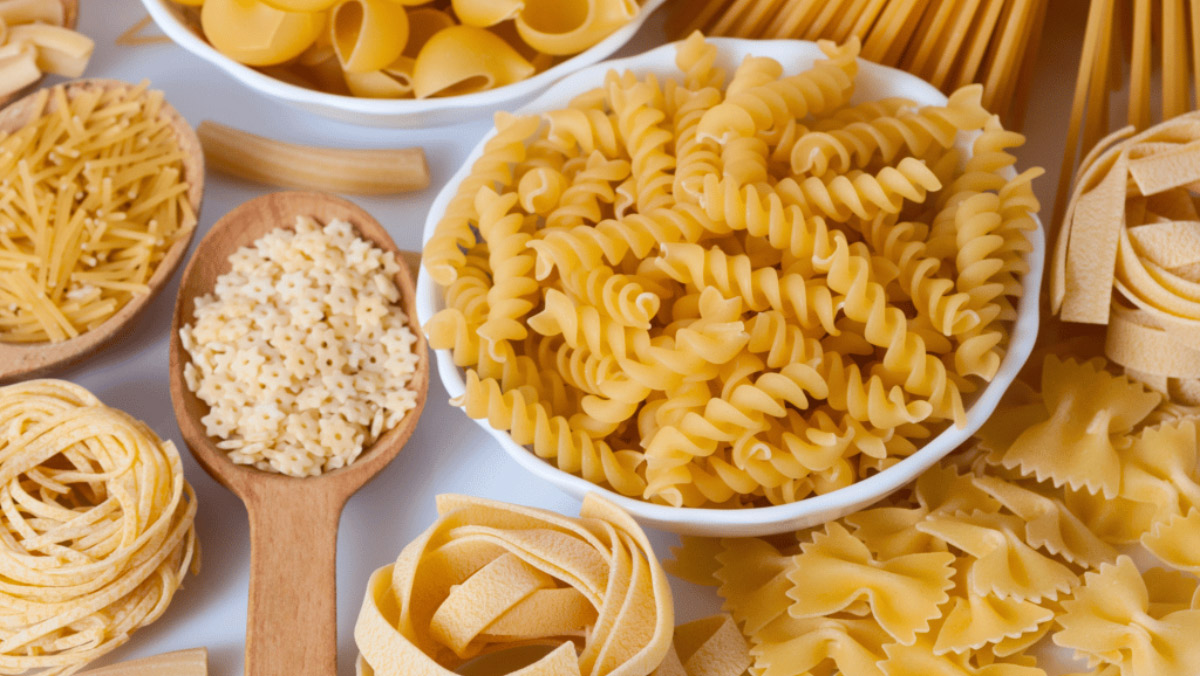
Protein-rich beans could soon play a larger role in American diets, as new research from the US Department of Agriculture points to their potential in improving the quality and nutrition of pasta.
In collaboration with Michigan State and North Dakota State universities, USDA scientists studied dozens of pinto bean varieties and found that those with higher protein content produced pasta with improved firmness and texture, more closely resembling traditional wheat-based products.
Researchers also identified how bean flour behaves during cooking, a factor that strongly predicts performance during processing. This could help food manufacturers create consistent and reliable bean-based products for broader markets.
"With this research, we're not only enhancing nutrition but also making bean-based foods more acceptable in terms of taste and texture," one USDA scientist said.
The findings arrive as food producers face rising input costs and increasing consumer demand for healthier, plant-based options. Beans, traditionally treated as commodity crops, may now be seen as precision ingredients targeted for use in widely consumed staples.
The broader implications extend beyond nutrition. Beans are grown across the United States, are shelf-stable, and require less water than many other crops. Incorporating them into mainstream products like pasta could reduce reliance on wheat imports, stabilise domestic food supply chains, and incentivise farmers to cultivate higher-protein strains.
Wider adoption could also support federal nutrition programs, including school lunches and food assistance schemes, by offering affordable, protein-dense alternatives to conventional pasta.
However, challenges remain in consumer acceptance. While texture has improved, taste continues to be a concern in bean-based pasta formulations. Addressing these sensory issues will be essential for achieving widespread market uptake.
Even so, the development marks a shift in how American agriculture aligns with public health goals. By linking crop science to everyday food products, the USDA's research may reshape consumer choices and bolster long-term food security.
Latest News
6 Mar 2026
The Dairy-Free Protein That Outperforms Real Whey4 Mar 2026
Inside Europe’s New Testbed for Alt Protein Production2 Mar 2026
Vivici Bets on “Pink Gold” Made Without Cows25 Feb 2026
Can Algorithms Outpace the Lab in Drug Discovery?
Related News

INNOVATION
6 Mar 2026
The Dairy-Free Protein That Outperforms Real Whey

TECHNOLOGY
4 Mar 2026
Inside Europe’s New Testbed for Alt Protein Production
INSIGHTS
2 Mar 2026
Vivici Bets on “Pink Gold” Made Without Cows
SUBSCRIBE FOR UPDATES
By submitting, you agree to receive email communications from the event organizers, including upcoming promotions and discounted tickets, news, and access to related events.