TECHNOLOGY
Inside Europe’s New Testbed for Alt Protein Production
A Dutch pilot plant gives food startups shared access to fermentation scale-up, slashing cost and risk
4 Mar 2026
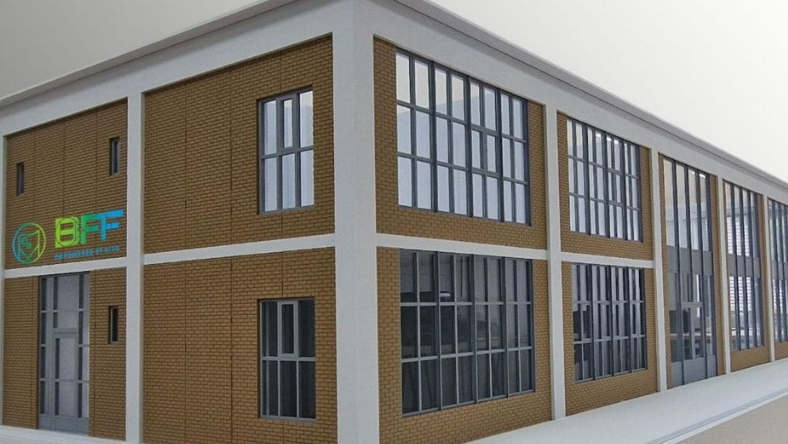
Europe’s quest to make alternative proteins mainstream is taking a decisive step forward. A new open-access fermentation pilot plant in the Netherlands aims to close the gap between lab success and factory-scale production, a hurdle that has long slowed the precision fermentation industry.
Engineering company GEA will build the upscaling line at the Biotechnology Fermentation Factory on the NIZO Food TECHNOLOGY Campus in Ede. Installation is planned for 2026, with operations set to begin in 2027. The site will let startups and ingredient developers test and refine their fermentation processes before committing to costly industrial facilities.
Scaling precision fermentation is notoriously tricky. What works in a small glass bioreactor often falters in steel tanks thousands of liters larger. Oxygen transfer, mixing dynamics, and nutrient distribution can change dramatically, undermining yield and consistency. The new plant bridges that divide with fermentation vessels ranging from 1,000 to 10,000 liters and full food-grade downstream processing systems.
Frederieke Reiners, Vice President of New Food at GEA, noted that pilot access remains one of the biggest bottlenecks in the field. Many innovators lack facilities where they can validate their processes at meaningful scale, forcing them to take expensive risks or delay commercialization.
The Dutch site will cater to a wide range of fermentation-based ingredients, from dairy and egg proteins to enzymes and specialty flavor compounds. By pooling infrastructure and expertise, it reduces cost barriers for emerging players and bolsters Europe’s reputation as a global hub for sustainable food technology.
Analysts believe such shared pilot lines could accelerate market growth for animal-free proteins. Demand is rising for ingredients that match traditional nutrition and flavor profiles but carry a lighter environmental footprint.
Regulatory hurdles and cost challenges remain, yet the project signals growing confidence in fermentation as a cornerstone of future food systems. If successful, it could inspire a network of similar facilities across Europe, turning today’s prototypes into tomorrow’s global staples.
Latest News
6 Mar 2026
The Dairy-Free Protein That Outperforms Real Whey4 Mar 2026
Inside Europe’s New Testbed for Alt Protein Production2 Mar 2026
Vivici Bets on “Pink Gold” Made Without Cows25 Feb 2026
Can Algorithms Outpace the Lab in Drug Discovery?
Related News
INNOVATION
6 Mar 2026
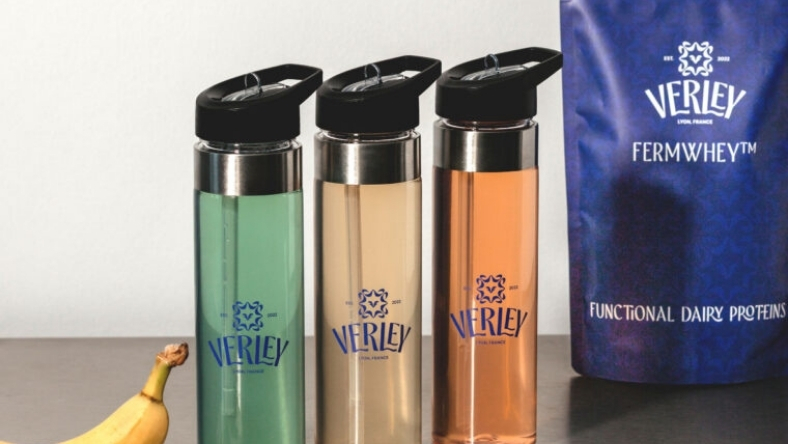
The Dairy-Free Protein That Outperforms Real Whey
TECHNOLOGY
4 Mar 2026
Inside Europe’s New Testbed for Alt Protein Production
INSIGHTS
2 Mar 2026
Vivici Bets on “Pink Gold” Made Without Cows
SUBSCRIBE FOR UPDATES
By submitting, you agree to receive email communications from the event organizers, including upcoming promotions and discounted tickets, news, and access to related events.