PARTNERSHIPS
Jensen Doubles Down on Plant-Based Power
Jensen merges its plant-based brands to streamline production, cut costs, and double down on long-term growth
17 Feb 2026
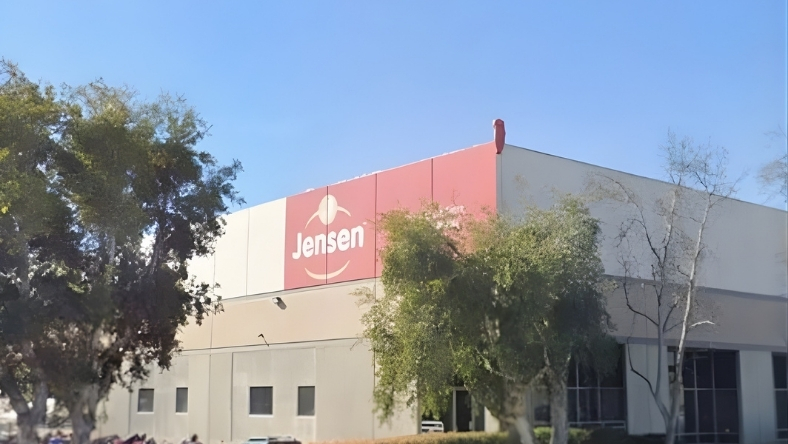
The alternative protein market is maturing, and Jensen Meat is adjusting its strategy accordingly. By folding Before the Butcher into a centralized plant-based division, the company is signaling a more focused and durable commitment to sustainable protein.
Announced in December, the integration brings Before the Butcher and Cool Beans under a single operational umbrella. Although Jensen acquired Before the Butcher in 2019, the brands largely ran on parallel tracks until now. Shared leadership and consolidated production oversight are designed to create tighter alignment and faster decision-making.
The move reflects more than internal housekeeping. Across the industry, plant-based players are reassessing growth models and trimming inefficiencies after years of rapid expansion. In that climate, Jensen’s decision reads as a shift from experimentation to disciplined execution.
Scale is central to the strategy. Jensen’s dedicated plant-based facility can reportedly produce up to 25 million pounds annually, giving the company room to grow without building from scratch. By unifying its brands, Jensen aims to streamline manufacturing, reduce redundancy, and better connect product development to market demand.
There are structural advantages as well. Plant-based and traditional meat operations remain in separate facilities, preserving safety and labeling standards that retailers and regulators expect. At the same time, shared distribution channels and established retail relationships offer plant-based products broader shelf access in a crowded marketplace.
For industry observers, the takeaway is practical rather than flashy. Success in alternative protein increasingly hinges on operational efficiency, supply chain strength, and the ability to scale responsibly. Jensen appears intent on embedding plant-based offerings firmly within its core business, rather than treating them as an experimental side venture.
Challenges persist, including consumer price sensitivity and ongoing debates around labeling. Still, the consolidation suggests confidence that demand for sustainable protein will continue to evolve. As the sector steadies, more established processors may follow Jensen’s lead, refining their platforms and betting on steady execution over hype.
Latest News
6 Mar 2026
The Dairy-Free Protein That Outperforms Real Whey4 Mar 2026
Inside Europe’s New Testbed for Alt Protein Production2 Mar 2026
Vivici Bets on “Pink Gold” Made Without Cows25 Feb 2026
Can Algorithms Outpace the Lab in Drug Discovery?
Related News
INNOVATION
6 Mar 2026
The Dairy-Free Protein That Outperforms Real Whey
TECHNOLOGY
4 Mar 2026
Inside Europe’s New Testbed for Alt Protein Production

INSIGHTS
2 Mar 2026
Vivici Bets on “Pink Gold” Made Without Cows
SUBSCRIBE FOR UPDATES
By submitting, you agree to receive email communications from the event organizers, including upcoming promotions and discounted tickets, news, and access to related events.